Field guide / 03
Compare geography, not reputation
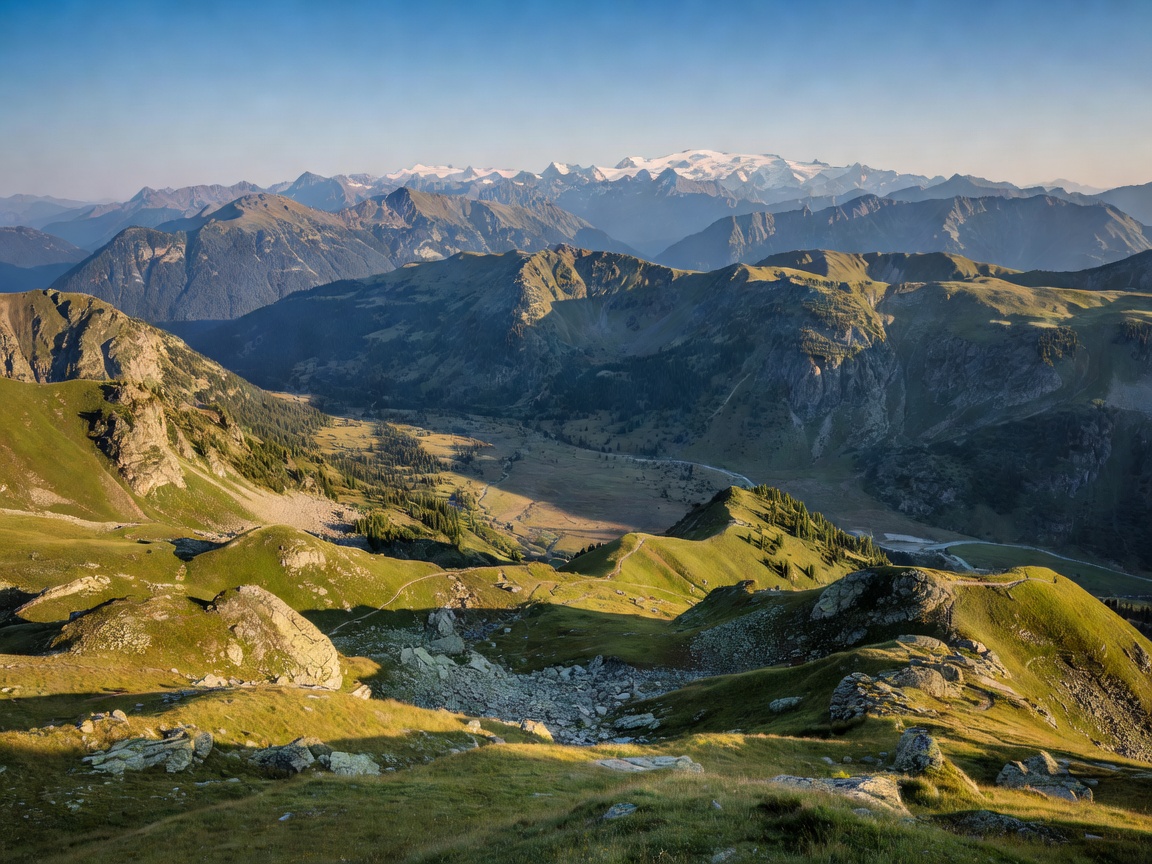
Mountain paragliding destinations can differ within the same region. A valley system may include broad basins, narrow corridors, ridgelines, plateaus and routes shaped by access or airspace. Start by understanding the landscape and the range of flying environments available. Then check whether those environments match your training and goals with an instructor or qualified local contact.
A destination’s reputation does not tell you whether it is suitable for a particular visitor. Consider how easy it is to obtain local information, how sites are managed, what ground support exists and what alternatives are available when conditions do not suit. Avoid selecting solely from photographs, online flight traces or social posts.
Season and local climate
Season affects access, temperature, daylight, weather patterns and the availability of local services. Alpine areas can have snow, closures or limited transport outside their main visitor periods. Warmer months do not guarantee flyable conditions. Mountain weather can change quickly, and seasonal patterns vary from one valley to another.
Use climatological information as background only. It is not a forecast for your travel dates and should not be interpreted as a promise of flying opportunities. Check current, location-appropriate sources close to travel and ask local professionals how seasonal conditions influence the sites you are considering. Keep flexible dates or non-flying plans if your schedule allows.
Valleys, ridges and thermal environments
Valley shape influences access, orientation and the way local weather develops. Broad valleys may offer multiple travel options; narrow systems can channel movement and limit alternatives. Ridge terrain, bowls and passes create distinct site characteristics. These are not simple advantages or disadvantages. They require local interpretation and a realistic assessment of pilot experience.
Thermal environments depend on terrain, surface, sun, cloud and the day’s weather. Their behavior is variable. A destination described as suitable for soaring or cross-country flying may still demand experience beyond a visiting pilot’s current level. Ask what skills are expected, whether guided support is available and how a local briefing covers changing conditions. Do not infer suitability from a route shown online.
Accessibility and local infrastructure
Look at how you will reach the region, move between accommodation and sites, and return after activity. Public transport, road access, seasonal services and site shuttles differ by location. Check official operators for current schedules and access details. This guide does not provide live transport information or confirm that any service is operating.
Local flying infrastructure may include schools, clubs, guides, equipment services, landing-area arrangements or pilot information resources. Verify which services are active, what they cover and whether they accept visitors at your experience level. An online listing does not confirm availability, qualifications or suitability.
Accommodation and day-to-day fit
Choose lodging based on practical needs: access to transport, meal timing, equipment storage, weather flexibility and the distance to your intended sites. Availability and terms change, so confirm directly with accommodation providers. Avoid booking a remote base without understanding how you will reach launch and landing areas or manage a no-fly day.
Trip pace matters. A location with several sites may require more local knowledge, not less. A compact area with an established school can make instruction and briefing easier to arrange. Consider language, communication, emergency access and the availability of non-flying activities. These are planning factors, not claims about one region being superior.
Beginner and experienced-pilot considerations
Beginners should prioritize structured instruction, appropriate training terrain, close supervision and clear arrangements for weather changes. Confirm that a school accepts learners of your stage and that its course is designed for the conditions and sites used. Do not travel to a demanding destination expecting the landscape itself to provide training.
Experienced pilots should still check current site procedures, airspace, permissions, equipment suitability and local expectations. Familiarity with another mountain range does not guarantee familiarity with a new one. Seek a thorough local briefing and remain within personal limits.
A useful comparison method
- Write down your experience level and main trip purpose.
- Compare season, access and terrain with the same questions for each region.
- Confirm instruction, guiding or local briefing options directly.
- Check local rules, permissions, airspace and emergency arrangements.
- Allow for weather variability and an alternative itinerary.
Good for
Pilots, learners and trip organizers who want a reasoned shortlist based on practical fit rather than unsupported rankings or destination hype.
What to know
This guide does not rank locations or report live flying conditions, prices, statistics or availability. Verify current access, weather, local procedures and service details with appropriate local sources.