01 / LEARN
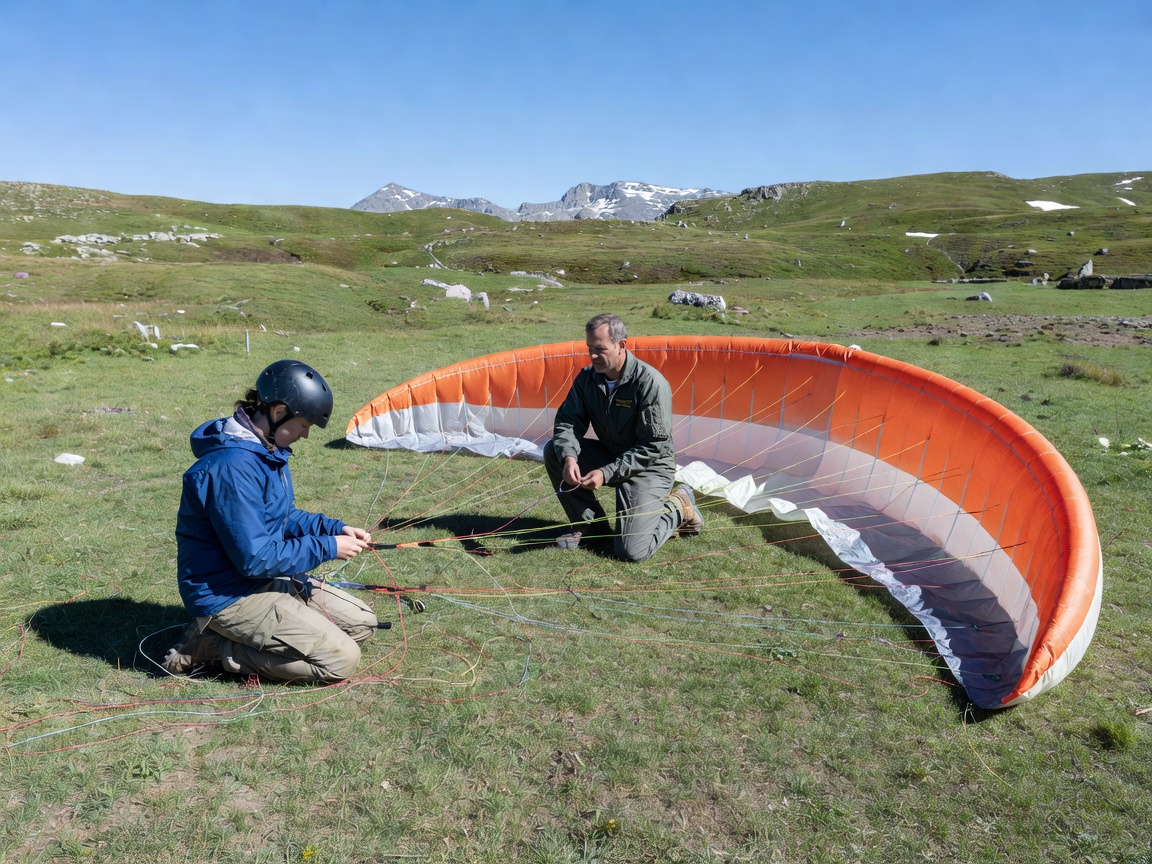
Paragliding schools
Compare beginner instruction, tandem introductions, instructor support, training structure and equipment arrangements.
Compare school optionsAlpine flight field guide
A practical guide to mountain paragliding schools, launch sites, destinations, training locations and flight planning. Start with local knowledge. Make decisions with qualified people and current conditions.
Choose your route
Use each guide to frame your research. Local instruction and current site information remain essential.
01 / LEARN
Compare beginner instruction, tandem introductions, instructor support, training structure and equipment arrangements.
Compare school options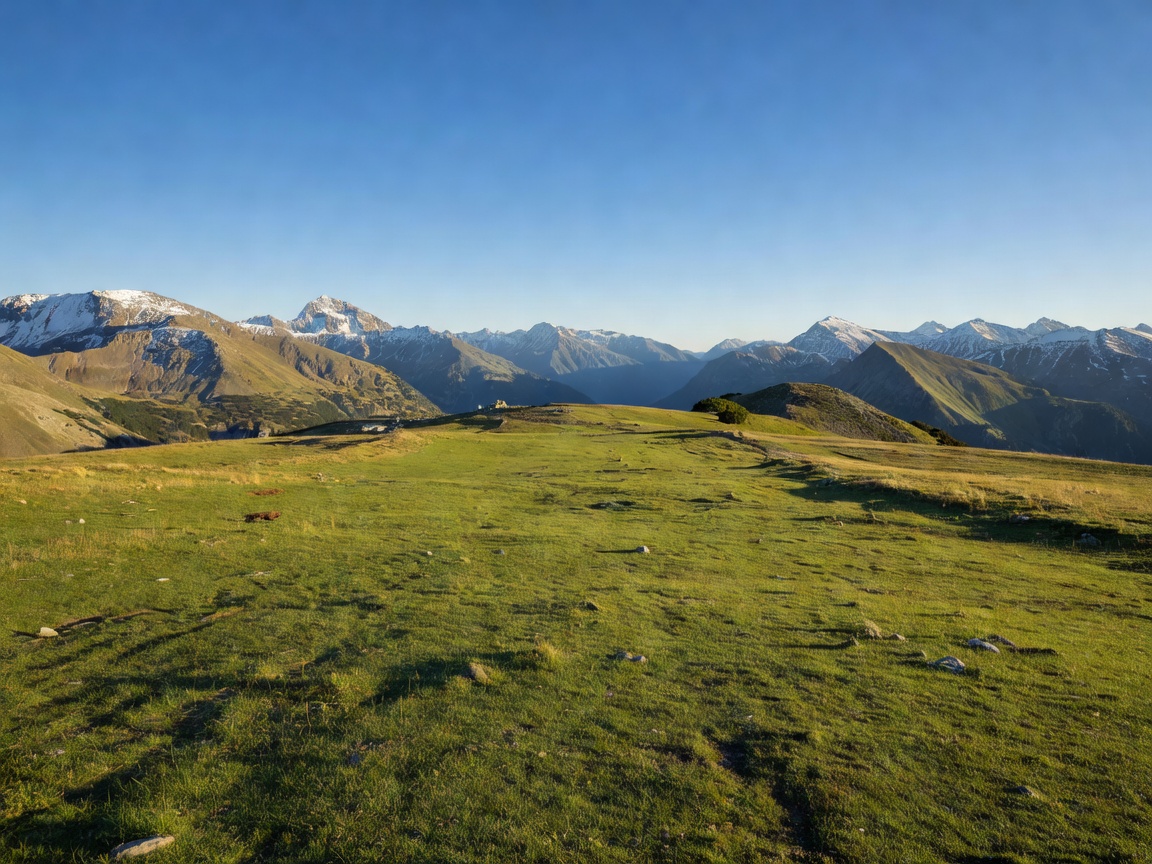
02 / ASSESS
Review terrain, orientation, access, wind exposure, landing options, local rules and site briefing needs.
Read the site guide
03 / SELECT
Compare mountain regions by season, terrain, local infrastructure, transport and pilot experience.
Explore destination criteria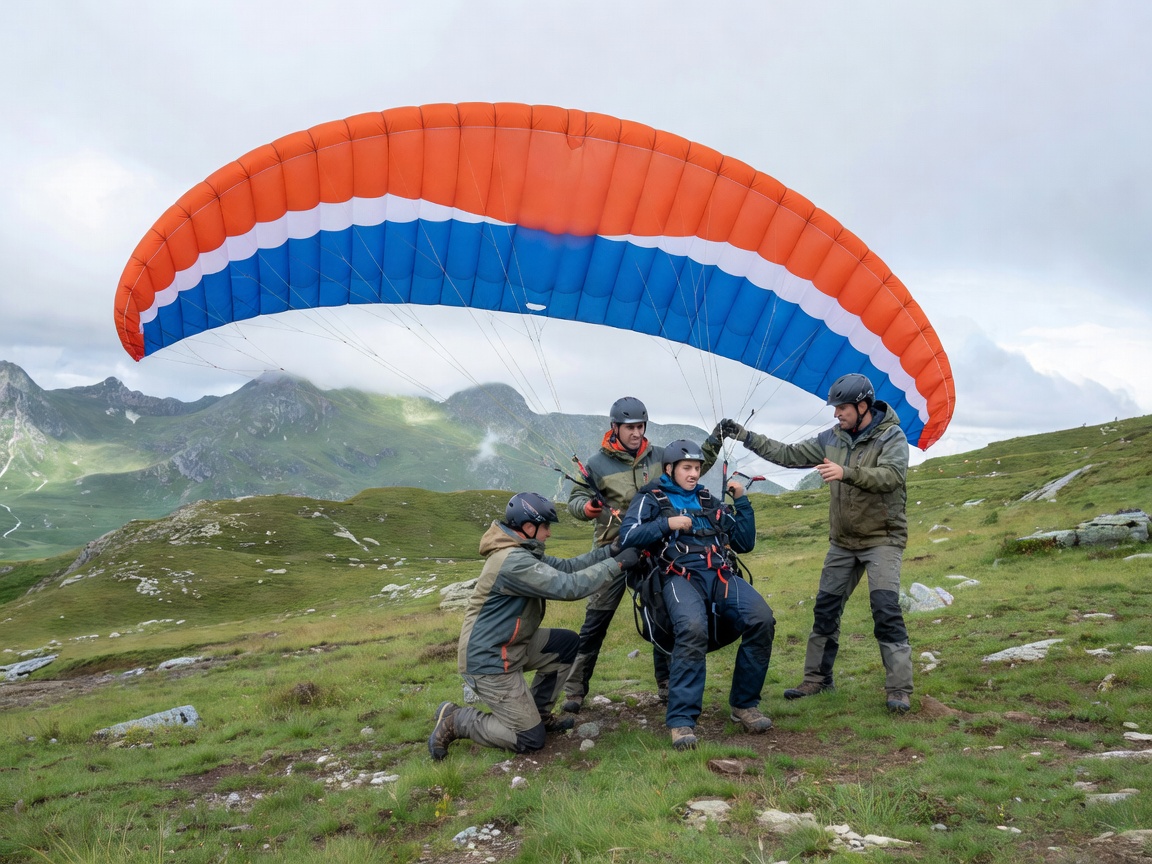
04 / BUILD
Understand ground handling, supervised practice, weather awareness, equipment familiarity and gradual skill development.
Review training stages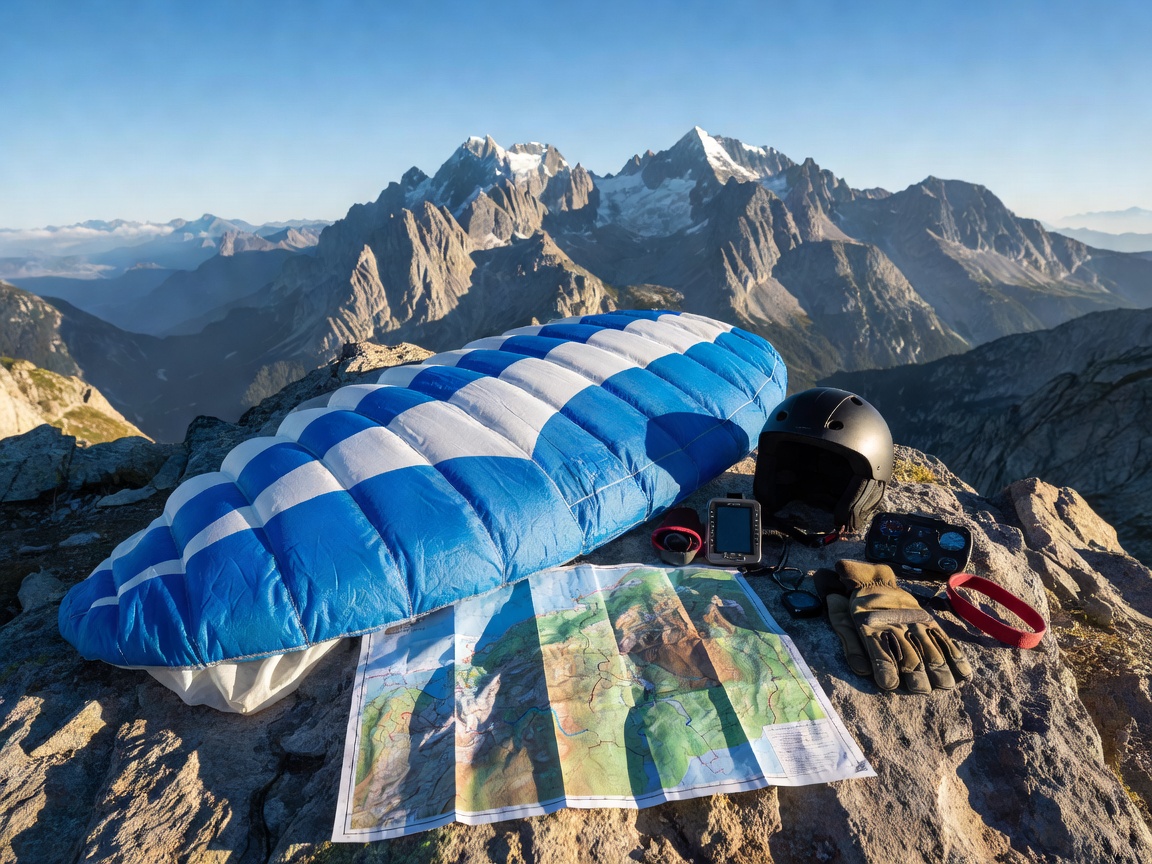
05 / PREPARE
Organize timing, instruction, equipment transport, local access, weather contingencies and practical logistics.
Build a trip planField sequence
A planning framework, not a launch recipe. Follow qualified instruction, established procedures and local site requirements.
Review current forecasts, site information, restrictions and your own readiness with qualified local support.
Use the site briefing and established procedures. Stop if conditions or the plan are unclear.
Stay within your training, equipment limits, airspace requirements and changing conditions.
Plan for suitable landing options and follow the local briefing. Keep alternatives in view.
Debrief decisions and conditions. Record questions for an instructor before the next flight.
Plan with local context
Use the trip guide to organize questions, logistics and backup options.